

Kurma and Ramadan: The Sunnah of Breaking Your Fast, Khasiat & Choosing the Best Dates
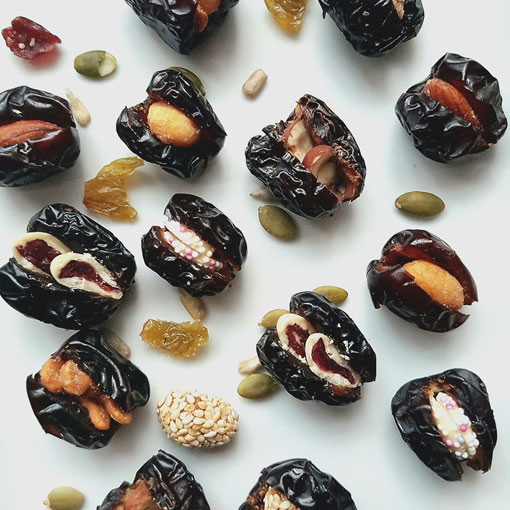
For Muslims around the world, few foods carry the spiritual weight and everyday comfort of the humble date. When the call to maghrib sounds and a long day of fasting comes to an end, it is a small handful of dates — not a heavy meal — that traditionally touches the lips first. This is more than habit. It is a practice rooted in prophetic guidance, supported by sound nutrition, and woven deeply into the culture of Ramadan across continents. This guide explores why dates and Ramadan are inseparable, the sunnah of breaking the fast with them, their remarkable health benefits, and how to choose the best Ramadan dates for your family.
The Sunnah of Breaking the Fast with Dates
The tradition of opening the fast with dates traces directly back to the practice of the Prophet Muhammad (peace be upon him). It is narrated that he would break his fast with fresh dates (rutab) before praying; if fresh dates were not available, he would take dried dates (tamr); and if there were none at all, he would take a few sips of water. This simple order of preference has been followed by generations of believers and remains the heart of iftar in millions of homes today.
There is a quiet wisdom in this sequence. After many hours without food or drink, the body is depleted of easily accessible energy. Dates deliver a gentle, rapid source of natural sugars that the body absorbs quickly, easing the transition from fasting to eating without shocking the digestive system. Beginning iftar with dates and water, then pausing for the maghrib prayer, also prevents the common mistake of overeating the moment the fast ends. It is a rhythm designed for both the body and the soul.
This is why dates hold such a central, almost ceremonial role during the fasting month. The moment of that first bite is one of gratitude and relief, shared simultaneously by families, mosques, and communities as the sun sets. Few other foods manage to be so ordinary and so sacred at once. For a closer look at how the fruit fits into the rituals and rhythms of the season, see our reflection on the significance of dates during Ramadan.
Why Dates Are the Perfect Food to Break a Fast
Modern nutrition confirms what tradition has long understood. A fasting body craves quick, clean energy, and dates provide exactly that in a naturally packaged form.
- Fast-acting natural sugars: The glucose and fructose in dates raise blood sugar smoothly, restoring alertness and energy within minutes of eating.
- Rehydration support: Dates are rich in potassium and other electrolytes that help the body recover from a full day without water.
- Dietary fibre: Their fibre content slows the release of sugar, curbs the urge to overeat, and supports healthy digestion after the long fast.
- Micronutrient density: Magnesium, copper, manganese, and B vitamins arrive alongside the sweetness, nourishing a body that has been running on reserves.
Eaten with a glass of plain water, two or three dates settle the stomach and prepare it gently for the meal to follow. This is deliberate: rather than filling up on the fruit itself, the sunnah encourages using dates as a bridge into the evening meal. The result is a break-fast that energises without overwhelming, leaving room for the balanced, nourishing dinner that should follow. For a deeper look at how the fruit nourishes the body all year round, see our detailed overview of the nutritional value of dates and how processing affects them.
Khasiat: The Health Benefits Behind the Blessing
The Malay word khasiat — the goodness or beneficial properties of a food — captures perfectly why dates deserve a place in every Ramadan pantry. Beyond breaking the fast, dates offer sustained value across the fasting month.
Steady energy for long days
During Ramadan, energy management matters more than usual. A couple of dates at suhoor, the pre-dawn meal, contribute slow-burning fuel alongside protein and complex carbohydrates, helping worshippers stay steady through the hours of fasting and the extra night prayers. Unlike refined sugar, the energy from dates comes bundled with fibre and minerals, so it lasts longer and does not trigger the sharp crash that leaves you sluggish by mid-morning.
Digestive comfort
The fibre in dates gently supports regularity, which is especially welcome when eating patterns shift dramatically during the month. Soaking dates overnight makes them softer and even easier on the stomach, a small ritual many families keep during Ramadan. Their natural compounds are also thought to be soothing to the digestive tract after a long day of rest.
A wholesome alternative to processed sweets
It is tempting to reach for sugary drinks and fried snacks at iftar. Dates offer a naturally sweet, nutrient-rich alternative that satisfies cravings without the empty calories. Blended into smoothies, stuffed with nuts, or chopped into porridge, they turn indulgence into nourishment. Swapping just a few processed treats for dates over the course of the month can make a noticeable difference to how energetic and comfortable you feel.
Antioxidants and long-term wellbeing
Dates contain a range of natural antioxidants, including flavonoids and carotenoids, that contribute to overall wellbeing when eaten as part of a balanced diet. While no single food is a cure, making dates a regular part of your Ramadan routine is a simple, wholesome habit that supports the body through a demanding month.
Choosing the Best Dates for Ramadan
Not all dates are the same, and Ramadan is the ideal time to appreciate their variety. Choosing well means matching the right type to the way you intend to enjoy it.
Popular varieties for iftar
- Ajwa: Soft, dark, and mildly sweet, Ajwa dates carry deep religious significance and are treasured for iftar. Learn how to judge their quality in our guide to evaluating premium Ajwa dates.
- Medjool: Large, caramel-sweet, and satisfyingly chewy, Medjool dates are a favourite for those who want a more indulgent break to the fast.
- Mazafati: Exceptionally soft and moist, these fresh-style dates are wonderful straight from the fridge on a warm evening.
- Mariami and Safawi: Balanced in sweetness and firm in texture, these varieties suit families who prefer a less sugary, more mellow date.
If you are unsure which suits your table, our comparison of Mazafati versus Medjool versus Deglet Noor breaks down flavour, texture, and best uses side by side, making it easier to plan a Ramadan pantry the whole family will enjoy.
Signs of quality
Look for dates with a naturally glossy skin, a plump body, and no signs of crystallised sugar bleeding out, which can indicate age or poor storage. Fresh dates should feel supple, never dry or hard. A faint, pleasant aroma is a good sign; any sour or fermented smell is not. Buying from a supplier that stores stock properly and turns it over quickly is the surest way to enjoy dates at their peak during the busy Ramadan season.
Buying and storing for the month
Because demand peaks so sharply before Ramadan, it pays to buy early from a trusted source rather than scrambling in the final days. Keep soft, fresh-style dates such as Mazafati refrigerated in an airtight container, and store drier varieties in a cool, dark cupboard. Bought and kept well, a good supply of dates will stay delicious right through the month and beyond.
The Global Journey of Ramadan Dates
The dates that grace an iftar table have often travelled a remarkable distance. The finest fruit ripens in the hot, dry climates of Saudi Arabia, Egypt, Iran, Tunisia, and the wider Middle East, then moves through a long chain of growers, packers, exporters, and distributors before reaching consumers across Asia. Demand surges dramatically in the weeks before Ramadan, and reliable supply networks work months ahead to ensure shelves are stocked with quality fruit when families need it most.
This appetite is not limited to any single country. Across Southeast Asia, dates are a Ramadan staple, and few markets illustrate this better than Indonesia, home to the world’s largest Muslim population. Demand there climbs so sharply each year that specialist distributors dedicated to serving the season, such as this trusted source for kurma ramadan in Indonesia, coordinate imports and nationwide delivery to keep pace with millions of fasting households. Understanding this wider trade helps buyers everywhere appreciate the effort behind a single, perfect date — and reminds us that the fruit on the table connects farms, ports, and homes across the Muslim world.
Dates in Ramadan Traditions Around the World
Although the sunnah of breaking the fast with dates is universal, the way communities enjoy them varies beautifully from region to region. In the Gulf, fresh rutab straight from the palm are prized during their short season, often served alongside Arabic coffee. In North Africa, dates frequently appear in rich iftar soups and stuffed with almond paste as a festive sweet. Across South and Southeast Asia, families favour softer, sweeter varieties served with milk or tea, and no iftar spread feels complete without a dish of dates at its centre.
These traditions all share the same root: a fruit that is portable, long-lasting, deeply nourishing, and blessed with prophetic endorsement. Wherever Muslims gather to break their fast, dates are a common thread that links very different cuisines and cultures into one shared moment of gratitude. For many, passing a plate of dates to a guest is itself an act of hospitality that carries the warmth of the season.
Common Mistakes to Avoid at Iftar
Even with the best intentions, it is easy to undo the benefits of a good date at iftar. Being mindful of a few common pitfalls helps you enjoy the fruit as it was meant to be enjoyed.
- Overeating dates: A handful is a bridge, not the whole meal. Eating a large quantity in one sitting can spike blood sugar and leave you feeling heavy before dinner has even begun.
- Skipping water: Dates and water belong together at iftar. Water aids rehydration and helps the body process the natural sugars gently.
- Choosing poor-quality fruit: Overly dry, sour-smelling, or heavily sugared dates offer a lesser experience. It is worth sourcing good fruit from a reliable supplier.
- Ignoring suhoor: A few dates at the pre-dawn meal help sustain energy through the day; skipping them means missing an easy, wholesome boost.
With a little care, the simple act of breaking the fast with dates becomes exactly what tradition intended: a gentle, healthful, and meaningful start to the evening.
Making the Most of Dates Beyond Iftar
While breaking the fast is their most celebrated role, dates enrich the entire Ramadan experience. Chop them into overnight oats for a slow-release suhoor; blend them into date-and-milk shakes for a nourishing evening treat; or press them into energy balls with nuts and seeds for a wholesome bite between prayers. For those who host guests, a well-presented plate of mixed premium dates is a gesture of generosity that reflects the spirit of the month. A neighbouring resource, date-fruits.com, offers further inspiration on enjoying dates in everyday cooking and celebration.
Dates also make thoughtful gifts during Ramadan and Eid. A carefully chosen box of premium fruit, perhaps combining Ajwa, Medjool, and Mazafati, is a warm and meaningful present for family, neighbours, and colleagues. In this way the fruit that begins each fast becomes a symbol of the sharing and gratitude that define the season.
A Fruit for the Body and the Spirit
Dates occupy a rare place where faith, tradition, and nutrition meet. They honour a prophetic practice, restore a fasting body with gentle efficiency, and bring families together at the most anticipated moment of the day. As Ramadan approaches, choosing good dates — and understanding why they matter — turns a simple ritual into a meaningful one. Whether you favour the soft darkness of Ajwa, the rich chew of Medjool, or the cool freshness of Mazafati, a thoughtful handful of dates remains, year after year, the perfect way to break the fast.