

Kurma Supplier: Ensuring Traceability and Origin of Dates Fruit
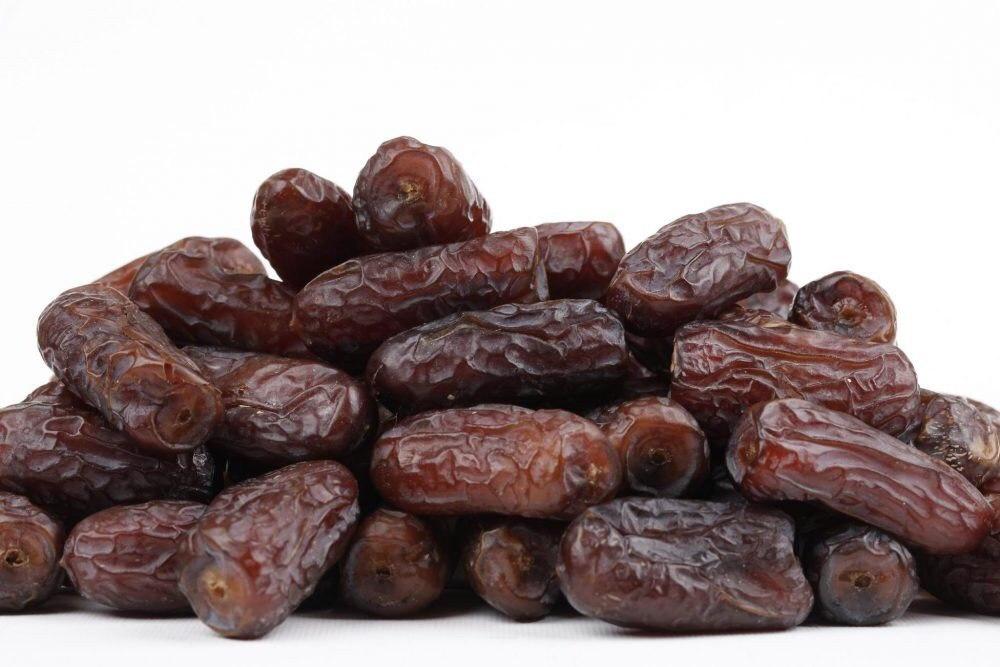
Every date sold in Malaysia started life on a palm somewhere else. Malaysia has no commercial date-growing trade, so the Ajwa, Medjool or Mariami on a shop shelf here crossed at least one border before it reached you. Traceability is the paper trail that lets someone follow that journey backwards. This post looks at what that trail is made of, where it can break, and what a buyer can reasonably ask a kurma supplier or wholesaler to show. If you searched “dates fruit supplier Malaysia” because you buy in bulk, the questions near the end are the useful part.
What traceability means for dates
Put simply, traceability is being able to say which lot a box of dates came from, and what happened to that lot along the way. For a fruit that is harvested in one country, packed in another and sold in a third, that is less obvious than it sounds.
The FAO handbook Date Palm Cultivation (chapter IX, on harvesting and packinghouse work) ties traceability directly to record-keeping. It says an important part of quality control is documenting the findings, which makes it possible to check moisture during the various processes and “facilitate the traceability of the product, which is important for the detection of mishaps during the various stages of production.” In other words, the records are not paperwork for its own sake. They are how a packer finds out where a problem started.
The same chapter describes laboratory checks during selection and says the test records should include the date of the test, the results, the Lot number or ID, any deviation from the standard, corrective action if needed, and the signature of the authorised person. That lot number is the thread the rest of the chain hangs on.
Where the trail starts: grower to packinghouse
FAO describes four kinds of packinghouse (family, cooperative, private and sub-contracted), and each one handles the link back to the grower differently.
Family and cooperative packinghouses
A family packinghouse is owned by the grower and built in or near the plantation, so the link between palm and box is short. Cooperative packinghouses group growers by region or variety. FAO says they usually take in fruit in one of two ways. The first keeps each grower’s fruit separate at every stage, with labels carrying the grower’s number put on the crates at entry, during fumigation and storage, and during sorting and packing. Fruit from different growers can also be kept apart by storing it in different labelled areas or packing it on different days. The second method samples the fruit at entry and then separates it by management, production and marketing needs, “not according to suppliers”.
That second method is the one to notice. After sampling, the fruit is no longer kept apart by grower, so a box from that line cannot be matched to one farm.
Private and sub-contracted packinghouses
Private packinghouses usually buy fruit as raw material directly from growers. Sub-contracted packinghouses usually receive fruit after it has already been fumigated and given a first sort, and FAO notes they are not always in the area or country where the fruit is grown. Some specialise in small-scale packaging and check the fruit at entry against the quality they asked the supplier for. So a pack can honestly carry one country of origin while being filled somewhere else entirely.
Dates fruit supplier Malaysia: what the box and the documents tell you
For an imported carton, the label is the first piece of evidence. FAO says that in most importing countries the law demands that “data such as weight, country of origin, quality and date of expiry” appear on the package. Its list of what should be printed on all packaging for export goes further:
- net weight
- country of origin
- grown and packed by (address)
- product and variety
- category (class 1 or grade 1)
Then there are the shipping papers. FAO says every shipment must be documented in detail, and that beside the customs, payment and transport documents it is important to add a phytosanitary certificate, issued in every country by the relevant authorities, certifying that the fruit is not infected by pests or diseases and meets the standards of the importing country. On the Malaysian side, the US government’s trade.gov guide to importing into Malaysia (written for US exporters) lists an invoice, a packing list, an insurance certificate, the Bill of Lading or Airway Bill, permits and certificates, and a declaration (Customs Form No. 1) that states the number and description of packages, value, weight, quantity, type of goods and country of origin.
| Record | Named by | What it can tell you |
|---|---|---|
| Carton label | FAO handbook | Country of origin, variety, grade or class, net weight, and (on export packs) who grew and packed it |
| Lab or QC test record | FAO handbook | Lot number or ID, test date, results and any deviation from the standard |
| Phytosanitary certificate | FAO handbook | That the relevant authorities certify the fruit free of pests and diseases and fit for the importing country’s standards |
| Customs Form No. 1 | trade.gov Malaysia guide | Declared country of origin, weight, quantity and value of the goods |
| Bill of Lading or Airway Bill | trade.gov Malaysia guide | The transport document for the consignment |
| Temperature record | FAO handbook | Whether a shipment of fresh dates stayed within the agreed temperature |
That last row matters most for soft fruit. FAO says that for fresh dates at the khalal or rutab stage a temperature recorder must be placed in the container or truck, and that the customer will only sign for the shipment if the temperature matches what was agreed with the carrier.
Checks that happen before the fruit leaves
Dates are sometimes stored for a long time before shipment, up to several months by FAO’s account. Because of that, the handbook says each consignment needs sampling to make sure quality has not changed, and during loading all labels and markings must be checked against the law and the customer’s requirements in the importing country.
Formal quality systems sit on top of this. FAO names two, ISO 9000 and HACCP. In the ISO 9000 list of requirements it reproduces, “Product identification and traceability” is one item, beside document control, quality records and internal audits. FAO also says some buyers’ own quality systems require their suppliers to hold authorisation, either through a recognised certifying body or under the client’s specification, “which includes documented traceability”. A certificate is a claim about the system, though. It still helps to see the lot-level papers for your own consignment.
Origin by variety: what the name should match
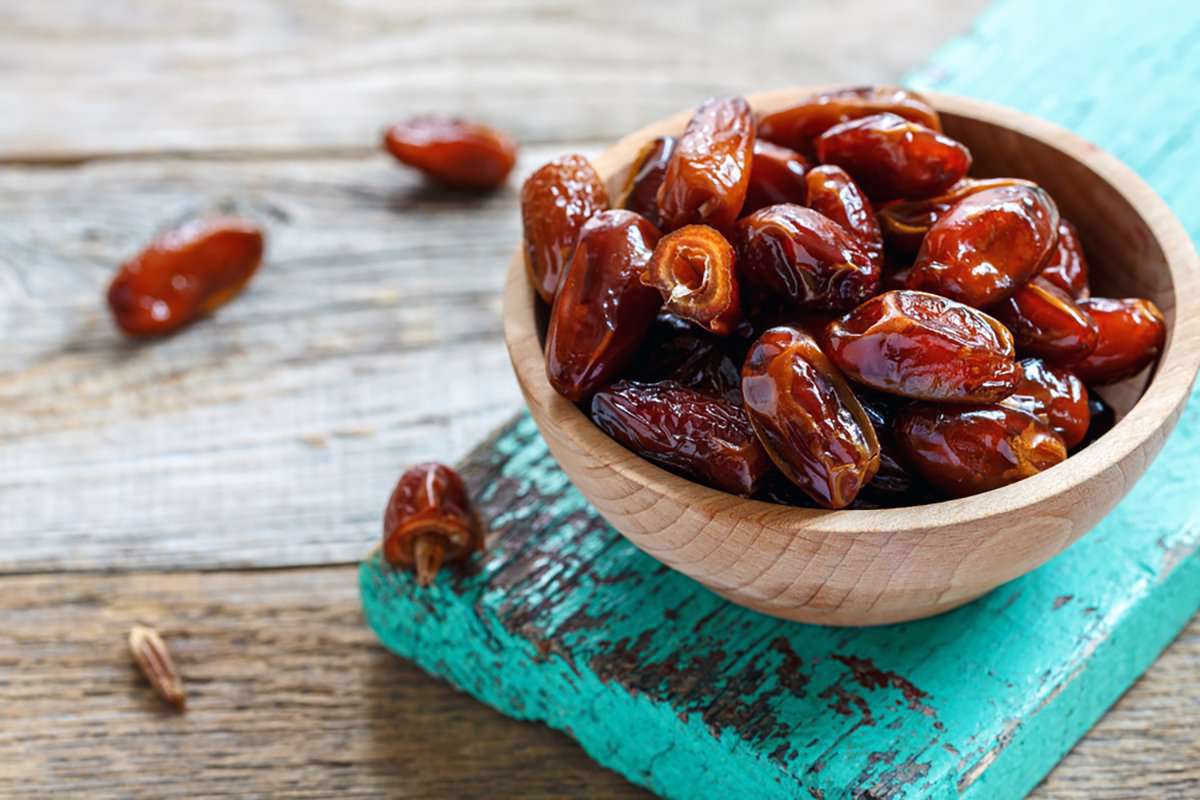
A variety name on a carton implies a place. These are the origins you can check a label against.
| Variety | Origin | Description |
|---|---|---|
| Ajwa | Madinah, Saudi Arabia | Small, roundish, near-black, finely wrinkled skin, soft |
| Safawi | Madinah region, Saudi Arabia | Longer than Ajwa, dark brown to black, soft and chewy |
| Sukari | Al-Qassim, Saudi Arabia | Golden-amber, very sweet |
| Medjool | Originated in Morocco | Large, very soft, rich caramel taste |
| Mazafati | Bam, Kerman province, Iran | Dark, very soft, needs refrigeration |
| Mariami | Iran | Dark, semi-dry, chewy |
| Piarom | Iran (Hormozgan) | Dark, semi-dry, thin skin |
| Deglet Noor | Tunisia / Algeria | Golden, translucent, semi-dry |
Two mismatches are worth catching. Mariami and Piarom are separate varieties, both from Iran, and neither comes from Bam. Deglet Noor sold on the stem as kurma tangkai comes from Tunisia or Algeria, and the stem says nothing about Madinah. A label that puts these varieties somewhere else deserves a question.
Grades are a different matter. A, AA, AAA and Jumbo are each importer’s own size sorting, not an international standard, so a grade on one supplier’s carton cannot be compared directly with the same letters on another’s. Size, quality and packaging as things to weigh up when buying are covered in our piece on the factors behind harga kurma.
Questions to ask before you place a bulk order
None of this needs a lab. It needs a supplier willing to show paperwork, and a buyer who asks for it before the first payment.
- What country of origin is on the carton, and does it match the variety name?
- Is there a lot number or batch ID on the carton, and does it appear on the invoice or packing list?
- Who packed the fruit, and was it repacked after it arrived? If so, by whom?
- Can you see the phytosanitary certificate and the customs declaration for this consignment?
- For rutab or other soft fruit, is there a temperature record for the shipment?
- If a quality certificate is offered, which site and which activities does it cover?
Repacking deserves extra care if you plan to sell under your own label, a service discussed in Pemborong Kurma: More Than Just Dates. A private-label pack is only as traceable as the records that link it to the original carton. For the practical side of 5kg orders, grade steps and per-kilo prices, see the newer guide to dates fruit wholesale in Malaysia.
Why it is worth the effort
Our post on the dates industry looks at how suppliers compete on price. Traceability is the other half of that conversation. The FAO handbook’s reason for keeping records is practical: documented findings help detect mishaps during the various stages of production, and a lot number ties each test result to the fruit it was taken from. For a buyer, the same records turn “trust me, it’s Ajwa from Madinah” into something you can check against a label, a certificate and a customs form.
Any dates fruit supplier in Malaysia can say where its dates come from. The useful test is whether it can show you, consignment by consignment.
FAQ: dates fruit supplier Malaysia
Does a Malaysian label have to show where the dates came from?
FAO says most importing countries require country of origin on the package, and Malaysia’s customs declaration for imports asks for country of origin. Check the carton and ask for the declaration if you are buying in bulk.
Can a pack be traced to the exact farm?
Sometimes. If the packinghouse kept each grower’s fruit separate with numbered labels, yes. If it sampled the fruit at entry and then sorted it by its own needs rather than by supplier, a box cannot be matched to a single farm.
Are grades like AAA proof of origin or quality?
No. Grades are each importer’s own size sorting. They say nothing about where the fruit was grown.