

Ramadan Dates Business: A Commercial Guide to Bulk Buying, Wholesale Supply & Pricing
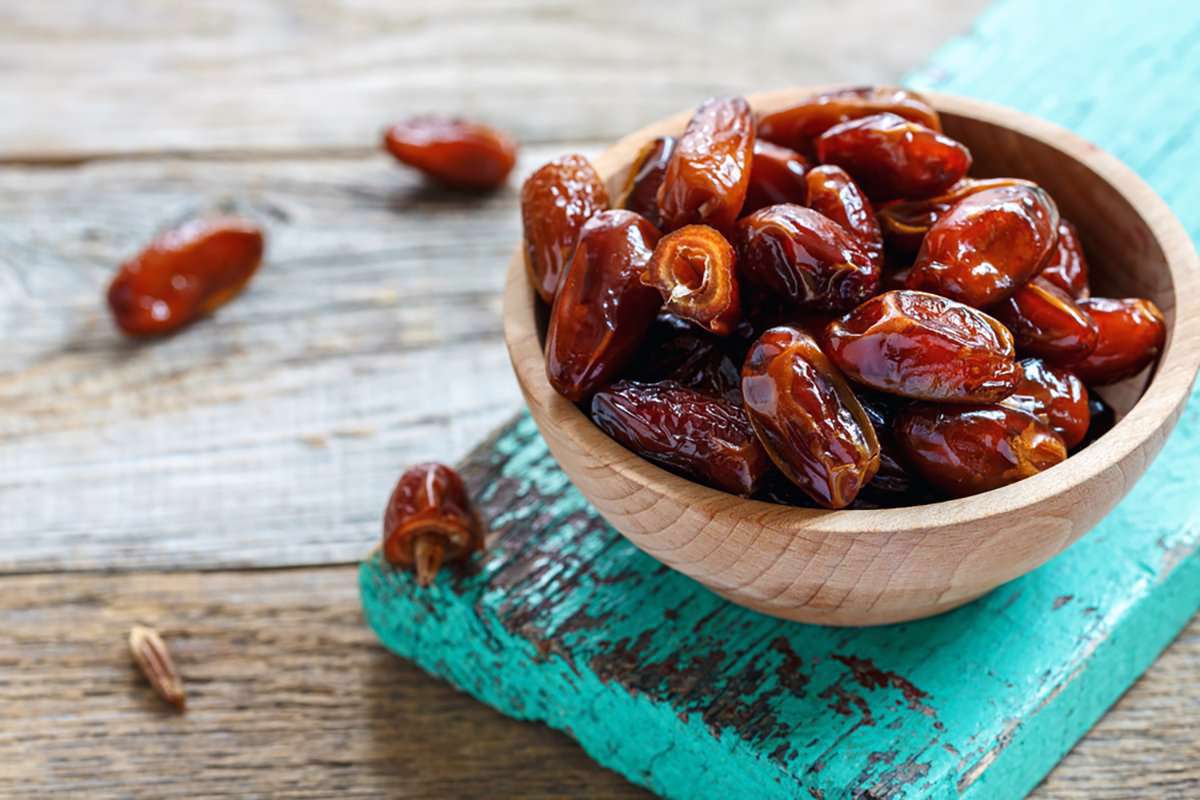
Ramadan is the single most important season for anyone in the date business. In the weeks before the holy month, demand for quality dates rises sharply as millions of households, mosques, caterers, and charities all stock up for iftar. For retailers, distributors, and aspiring importers, this concentrated surge of demand turns Ramadan into a genuine commercial opportunity — but only for those who prepare their bulk buying, supplier relationships, and pricing well in advance. This guide takes a practical, business-first look at building and running a Ramadan dates operation: why bulk sourcing pays off, what really drives wholesale prices, how to choose a dependable supplier, and how to protect your margins through a demanding, fast-moving season.
Why Ramadan Turns Dates Into a Serious Business
Dates occupy a unique place in Ramadan. The tradition of breaking the fast with dates means that demand is not a matter of preference but of habit — practically every fasting household wants them on the table at maghrib. That cultural anchor makes Ramadan demand remarkably predictable in shape, even if the exact volume shifts year to year. For a business, predictable demand is valuable: it lets you plan purchasing, negotiate ahead, and commit to volumes with confidence.
The season also compresses a large share of annual sales into a short window. A retailer who sells a steady trickle of dates for eleven months may move several times that volume in the four weeks around Ramadan. That concentration rewards preparation and punishes improvisation. If you understand the rhythm — the pre-Ramadan stocking wave, the mid-month steady pull, and the tail-off toward Eid — you can size your orders to match, rather than scrambling for last-minute stock at inflated prices or sitting on unsold inventory afterward. For a broader view of how dates move through the market, our overview of wholesale dates and the world of pemborong kurma is a useful starting point.
Why Buying in Bulk Makes Commercial Sense
The core logic of a Ramadan dates business is buying wholesale and selling in smaller units. The gap between the bulk purchase price and the retail price is where your margin lives, and that gap tends to widen the earlier and the larger you buy. Suppliers reward volume and commitment: a buyer who orders cartons by the pallet, and who books ahead of the seasonal rush, is in a far stronger position than one placing small, late orders.
Bulk buying does more than lower your unit cost. It gives you continuity of supply during the exact weeks when stock is scarcest and most contested, it lets you standardise on grades and packaging your customers recognise, and it gives you room to serve multiple channels — walk-in retail, bulk orders for mosques and surau, gift boxes, and resale to smaller traders. The trade-off is that capital is tied up in inventory and that you carry the risk of unsold stock, which is why matching order size to realistic demand is the single most important discipline in this business.
What Really Drives Wholesale Date Prices
To buy well, you need to understand what moves the wholesale price. Prices are not arbitrary; they reflect a handful of concrete factors, and knowing them lets you judge whether a quote is fair.
- Variety and grade. Premium varieties such as Ajwa, Medjool, and Safawi command higher prices than everyday varieties, and within any variety the grade — based on size, appearance, and consistency — creates a clear price ladder.
- Freshness and moisture. Softer, fresher stock generally sits at a premium over drier stock, and moisture content affects both eating quality and shelf life, which in turn affects how you price and rotate it.
- Origin and season. Growing region and harvest timing influence both availability and cost, and any date that must be imported carries the added weight of logistics.
- Import and logistics costs. Freight, handling, and the general cost of moving goods across borders feed directly into landed cost, and these can move with fuel prices and shipping conditions.
- Packaging and presentation. Retail-ready packaging, gift formats, and branded boxes add cost but also add sellable value, especially in a gifting-heavy season.
- Quantity and timing. Larger orders unlock better per-unit pricing, and buying ahead of the Ramadan rush is almost always cheaper than buying into peak scarcity.
When you compare quotes, compare like for like across all of these dimensions. A cheaper price on paper often reflects a lower grade, drier stock, or plainer packaging — differences that matter enormously once your customers are choosing dates for their iftar table.
How to Buy in Bulk Wisely for the Season
Smart bulk buying for Ramadan is a process, not a single transaction. Start by sampling before you scale: request samples from any new supplier and assess taste, texture, size, and packaging against what your customers expect. Never commit a large seasonal order to stock you have not physically evaluated.
Next, gather multiple quotes so you understand the real market range rather than anchoring on the first number you hear. Match the grade and variety to your channel — a mosque bulk order and a premium gift-box line have very different requirements — and size each order to a realistic, evidence-based demand estimate built from your own past seasons where possible. Finally, stagger your buying where you can: a firm early commitment for the bulk of your volume, with a smaller top-up capacity held in reserve, protects you against both stockouts and over-ordering. For businesses evaluating suppliers on the ground, our look at how kurma suppliers meet demand covers the operational side in more detail.
Choosing a Reliable Supplier
Your supplier is the foundation of a Ramadan business. During peak season, a supplier who under-delivers or ships inconsistent quality can wreck a whole month’s trade. Look for consistency above all — the ability to deliver the same grade, the same packaging, and the same freshness order after order. Transparency is the second pillar: a good supplier is clear about origin, grade, and terms, and does not dodge questions about where the stock comes from or how it is handled.
Assess responsiveness and reliability before you depend on them for your biggest season. How quickly do they answer? Do they honour delivery windows? Can they scale with you as your Ramadan volume grows? It is often wise to build relationships with more than one credible supplier so that you are not exposed to a single point of failure at the worst possible time. The lessons in our piece on the challenges dates fruit suppliers face help explain why supply can wobble and how to insulate your business from it.
Negotiating Bulk Order Terms
Price is only one line in a bulk deal. The terms around it often matter just as much for your cash flow and your risk. Where volume justifies it, negotiate tiered pricing so that larger commitments earn better rates, and clarify the minimum order quantity so there are no surprises. Discuss payment terms honestly — early or seasonal orders sometimes open the door to more favourable arrangements — and always agree on what happens if stock arrives damaged or below the agreed grade.
Put the important points in writing: grade, quantity, delivery dates, and the remedy for shortfalls. A clear agreement protects both sides and makes the relationship easier to sustain year after year. Buyers who treat their suppliers as long-term partners, rather than squeezing every last sen from a single order, tend to earn priority allocation when stock is tight — which is exactly when it matters most. Our discussion of the benefits and challenges of bulk buying goes deeper on the give-and-take of these deals.
Setting Resale Prices and Protecting Margin
Once your stock lands, disciplined pricing turns volume into profit. Build your resale price from your true landed cost — the wholesale price plus freight, handling, packaging, and any wastage — rather than from the invoice figure alone. A margin that looks healthy against the raw purchase price can evaporate once these hidden costs are counted.
A tiered approach usually works best: everyday grades priced for volume and accessibility, premium and gift lines priced for the added value they carry. Ramadan is a season where customers happily pay more for quality and presentation, so a well-packaged premium line can lift your blended margin considerably. Resist the urge to compete purely on price; there will always be someone cheaper, and a race to the bottom simply erodes the margin you worked to secure. For traders sourcing at scale, specialist wholesalers such as Date Wholesale illustrate how a dedicated bulk operation structures its grades and pricing for the resale market.
Managing Stock Through a Fast Season
Ramadan stock moves fast, but it can still spoil or age if mishandled. Store dates in cool, dry conditions to preserve moisture and quality, and rotate on a first-in, first-out basis so older stock sells before newer arrivals. Keep an eye on how quickly each line is moving so you can reallocate shelf space and reorder — or discount — before the Eid tail-off leaves you with surplus.
The goal is to enter the final days of the season with lean, clean inventory rather than a warehouse of stock you must clear at a loss. Good rotation and honest demand forecasting are what separate a profitable Ramadan from a stressful one.
Serving the Regional Market
The Ramadan date trade does not stop at one country’s borders. Across the region, the same seasonal surge plays out, and buyers everywhere look for reliable partners who can supply quality dates on time. For businesses in Indonesia that want dependable Ramadan stock with shipping to Indonesia, many turn to trusted specialists such as kurma ramadan Indonesia who understand the pace and pressures of the local market and can coordinate pengiriman ke Indonesia during the busiest weeks of the year. Recognising these regional links helps you see the Ramadan date business as part of a wider, connected supply chain rather than a purely local affair.
Common Mistakes to Avoid
- Ordering too late. Waiting until the rush means paying peak prices and risking stockouts precisely when demand is highest.
- Skipping the sample. Committing a large seasonal order without evaluating the stock first is a recipe for disappointed customers.
- Pricing off the invoice, not the landed cost. Ignoring freight, packaging, and wastage quietly kills your margin.
- Relying on a single supplier. One failed delivery in peak season can sink your whole month.
- Over-ordering. Buying more than you can realistically sell leaves you clearing surplus after Eid at a loss.
Building a Reputation That Lasts Beyond Ramadan
The businesses that win at Ramadan are the ones customers remember the following year. Consistent quality, honest grading, fair pricing, and reliable availability build the kind of trust that turns a one-off buyer into a returning one. A satisfied mosque committee, caterer, or family will come back — and will tell others. Treat the season not as a quick harvest but as an annual chance to strengthen your brand, and the loyalty you build will compound year after year.
Frequently Asked Questions
How far ahead should I place my Ramadan bulk order? As early as your cash flow allows. Committing your core volume well before the pre-Ramadan wave typically secures better pricing and protects you against peak-season scarcity.
Is it better to buy one premium variety or a range? A range usually serves you best, because it lets you cover both value-conscious buyers and premium gift customers, widening your market within the same season.
How do I avoid being left with unsold stock after Eid? Base order size on realistic demand, rotate stock FIFO, monitor sell-through daily, and keep a modest reserve capacity rather than over-committing up front.
What is the single most important factor in a Ramadan supplier? Consistency — the ability to deliver the agreed grade, packaging, and freshness on time, order after order, when the season is at its most demanding.
A successful Ramadan dates business is built long before the crescent moon appears. By understanding the rhythm of seasonal demand, buying in bulk with discipline, choosing suppliers you can rely on, negotiating fair terms, and pricing off your true costs, you can turn the busiest weeks of the year into your most profitable — and lay the groundwork for a business that customers return to season after season.